
Planet School · For K–12
The world's first climate literacy
& action intelligence system for K–12 schools.
Combining live, source-based global learning with personalised, data-driven insights — Planet School helps schools build holistic climate literacy and measure, track and reduce their environmental footprint through student-led action.
From climate learning to measurable school impact.
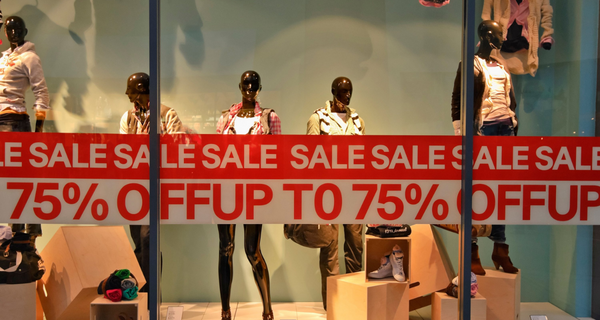
Six stages. One continuous loop. Powered by source-based pedagogy and an AI engine that makes every observation count. Each card below illustrates the stage through a different module — food, energy, fashion, transport — to show how the loop applies across every climate system.
 01
01Learn
01/06Live-streamed, source-based climate & sustainability sessions from around the world.
Analyse
02/06Student-led school audit turns observation into structured data.
Personalise
03/06AI ranks the highest-impact interventions for your school.
Act
04/06Project logged with photos, evidence, and student leadership.
Measure
05/06Impact recalculated — kilograms of waste prevented, tonnes of CO₂e saved.
Improve
06/06Loop restarts. Cross-school benchmarks unlock new insights.
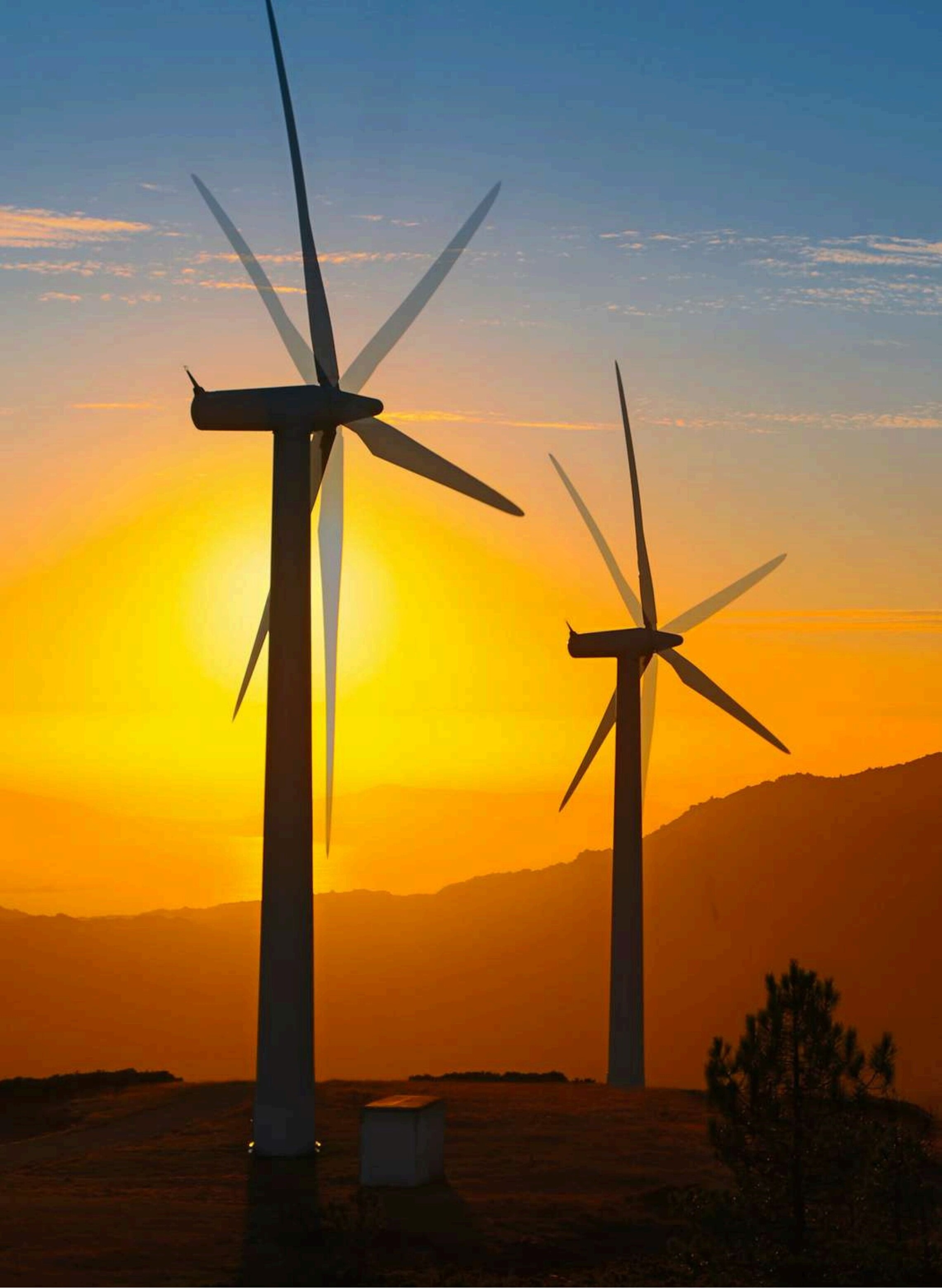
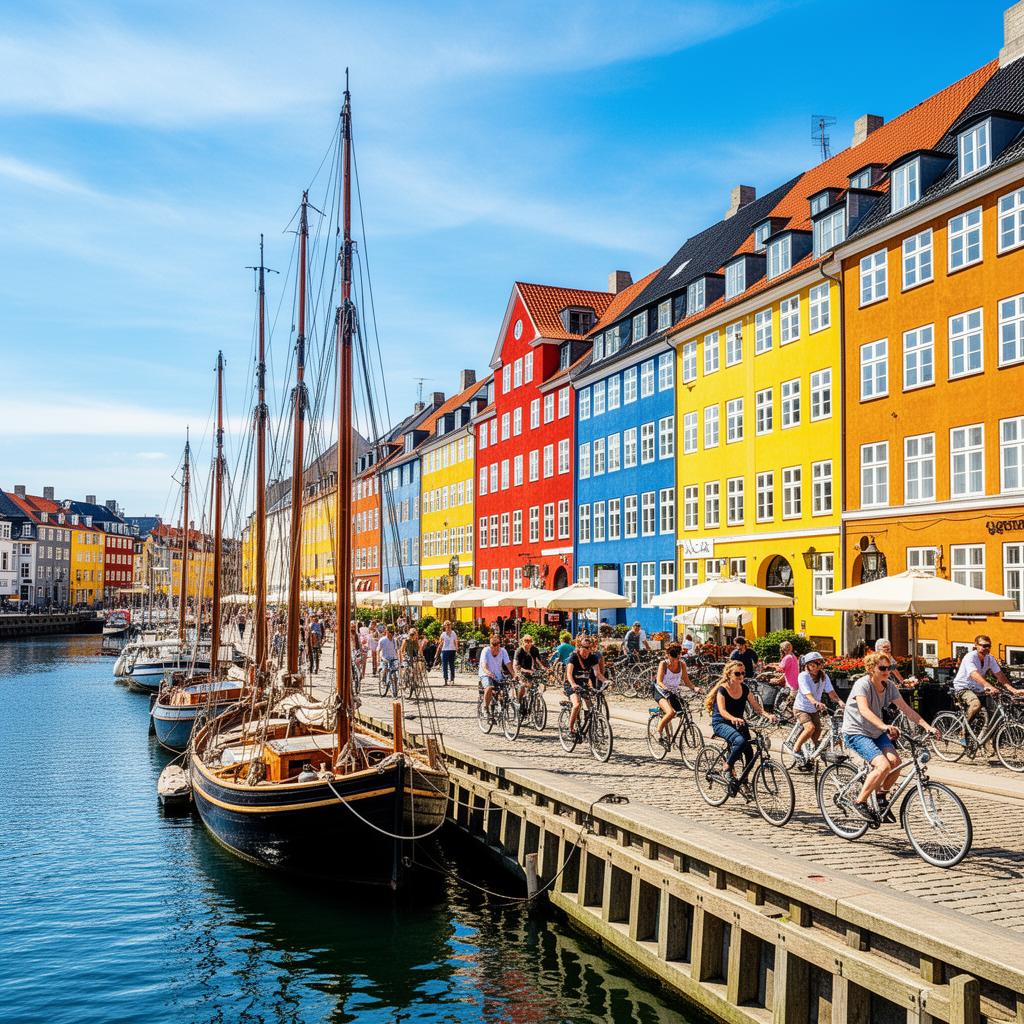
Eight interconnected climate systems. One planet, explored through real-world learning.
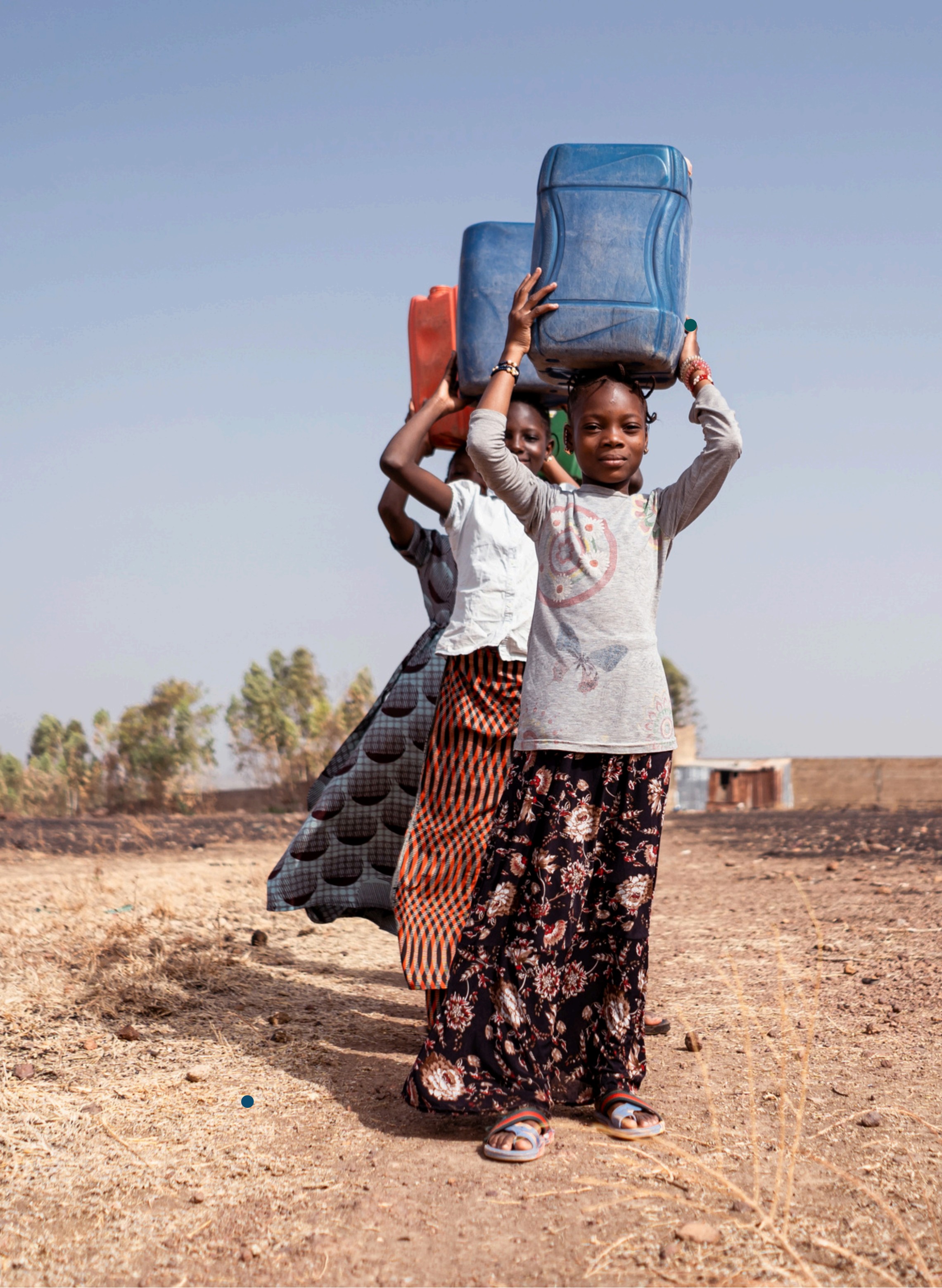
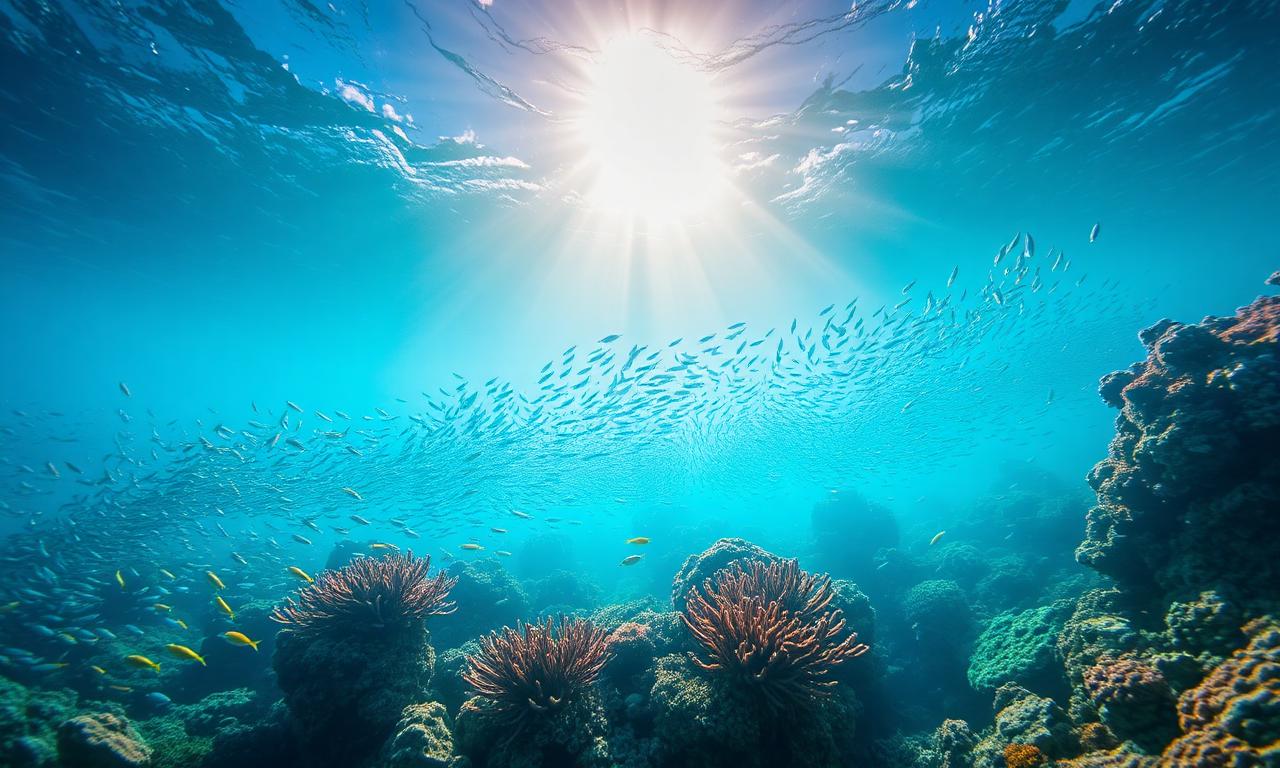
Students explore climate systems through live and self-paced journeys into real communities, ecosystems, industries, and frontline environments around the world.

From farm to fork to action. An anatomy of one module.
To show how a Planet School module works in practice, we’ve picked one as an example — Re-Thinking Food & Food Waste. Here’s the journey, stop by stop.
& Food Waste
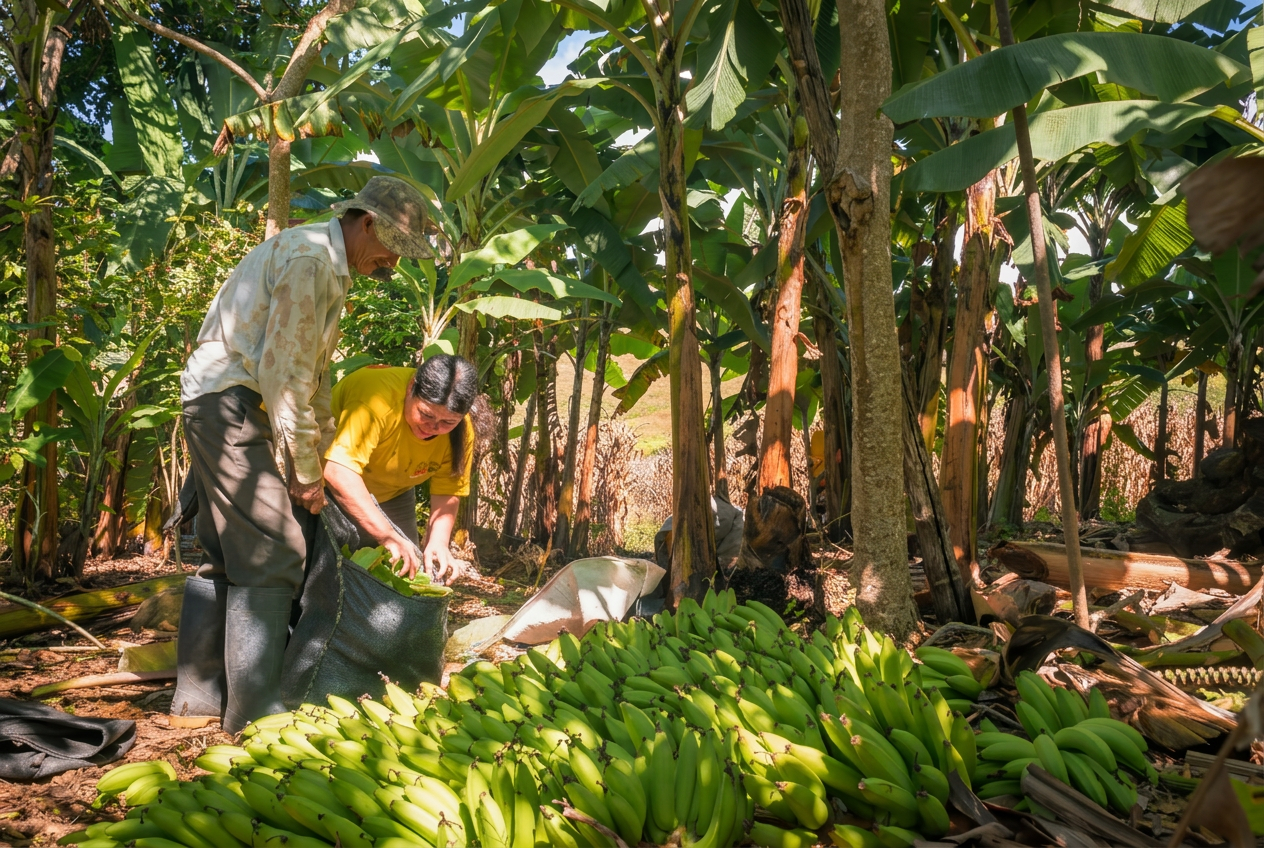
“This is where the journey begins.”
Visit a banana plantation. Trace harvesting, grading, and export systems.
- 01Understand where our food begins — and where it is first lost.
- 02Explore food loss at source due to cosmetic standards, inefficiencies, and global trade dynamics.
- 03Begin tracing the journey of bananas from farm to global markets.
- 04Recognise how early-stage decisions shape what reaches consumers — and what never does.
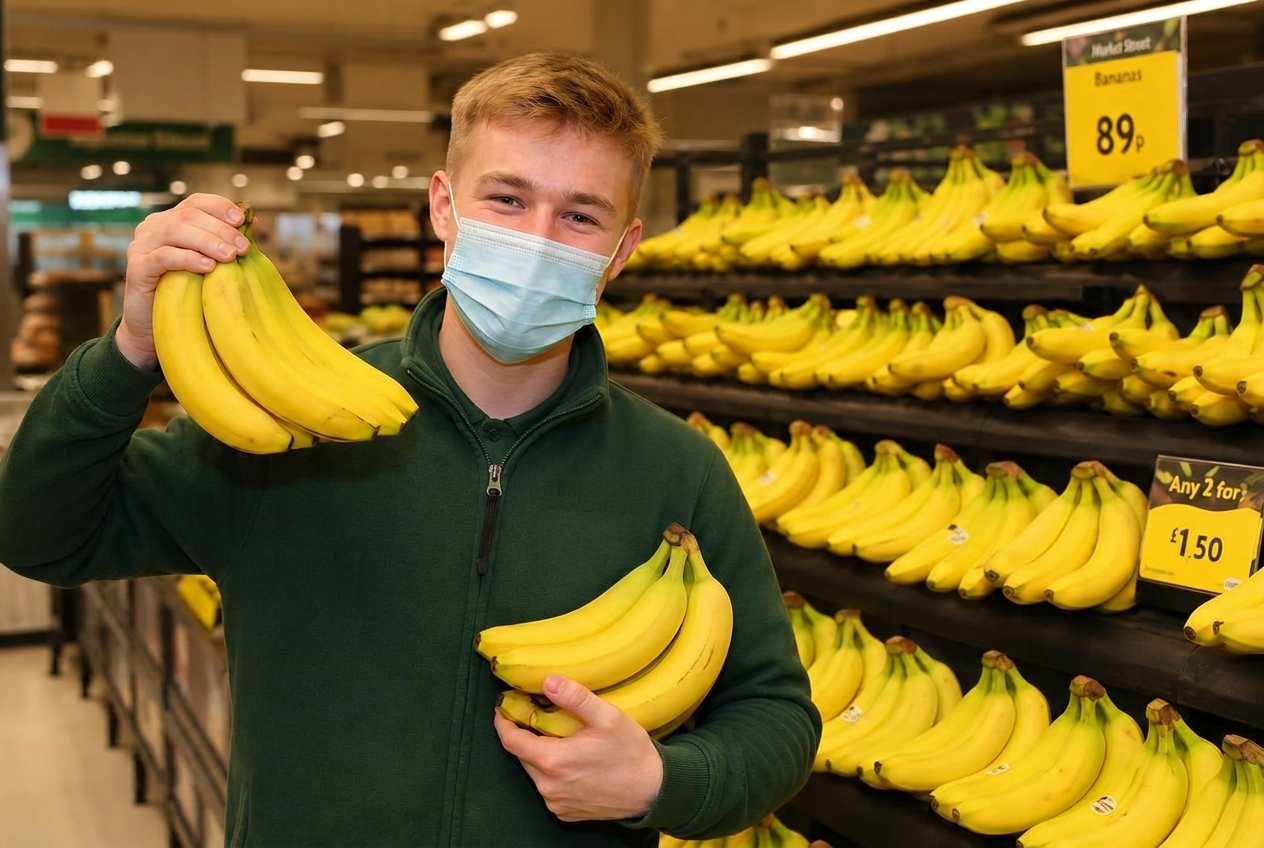
“What happened to the bananas we saw at source?”
Visit a supermarket and a community food bank.
- 01Follow the journey of bananas from plantation to supermarket shelves.
- 02Understand how food is labelled and displayed at retail level.
- 03Examine food waste across supermarkets and households.
- 04Confront the paradox: surplus food and food insecurity coexisting.
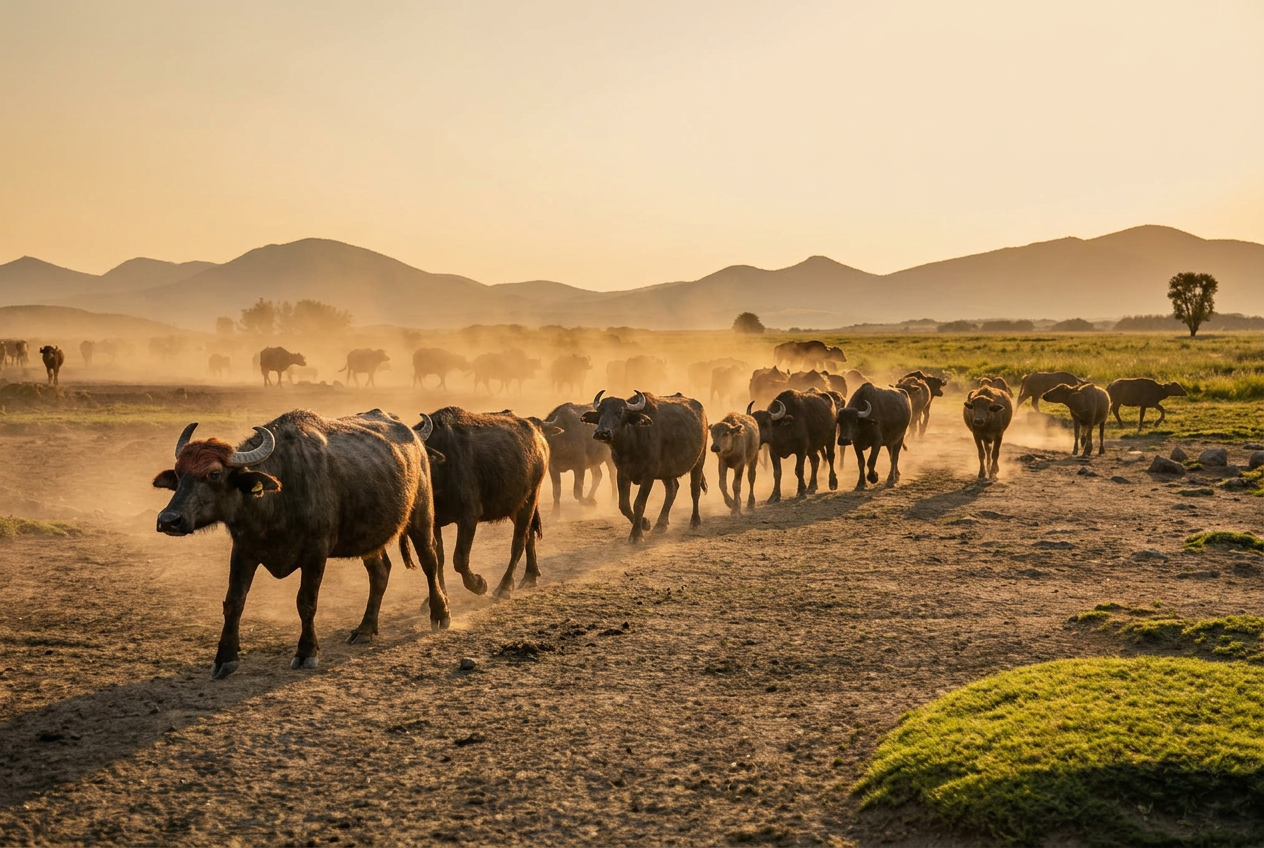
“What we choose to eat shapes the planet.”
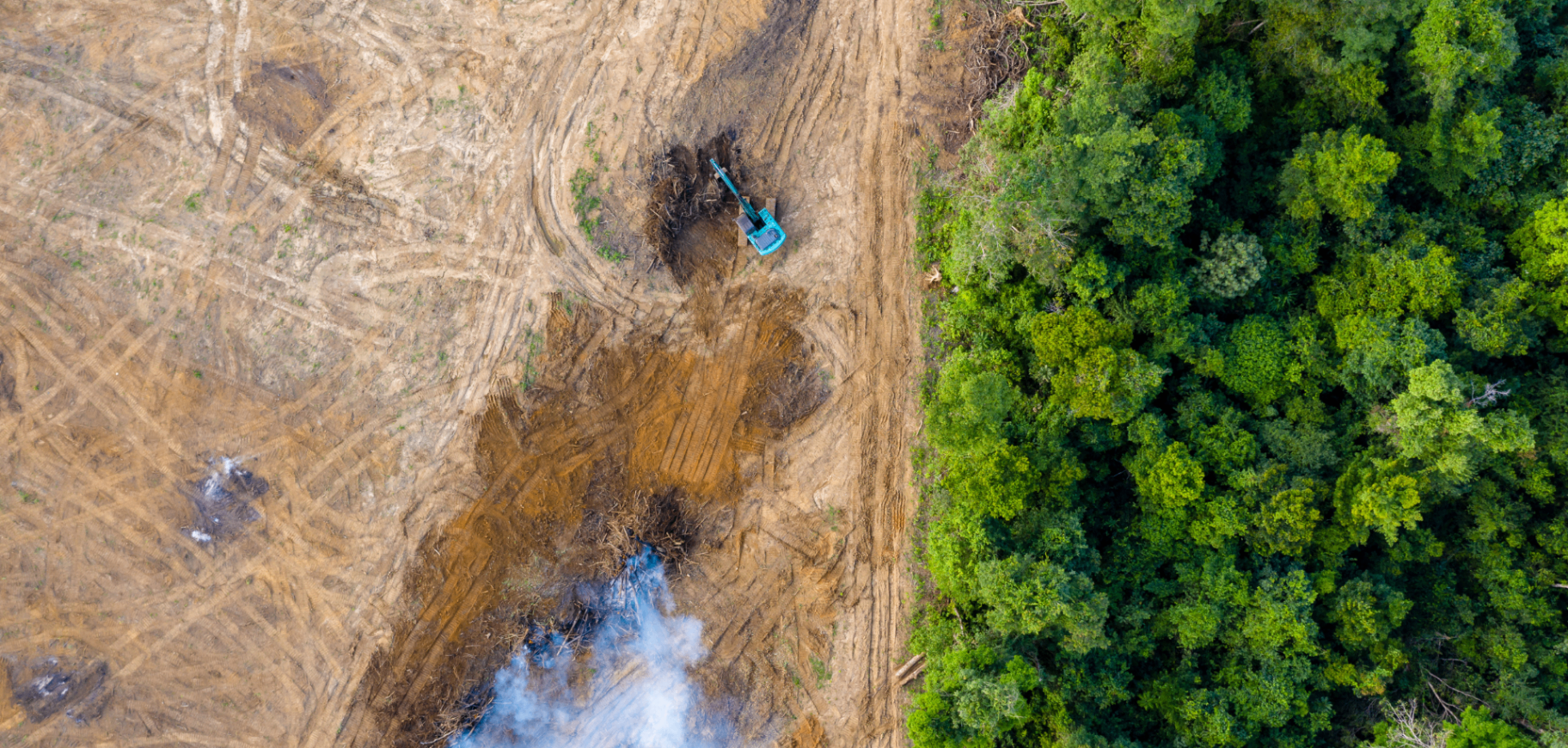
Visit a cattle ranch in a deforestation frontier.
- 01Explore how global food demand drives land-use change and deforestation.
- 02Understand the link between diets — especially meat consumption — and environmental impact.
- 03Connect everyday food choices to large-scale ecological consequences.
- 04Shift from awareness to action: what does a sustainable plate look like?
That’s how many bananas are thrown away in the UK every year — nearly 1–1.4 million every single day, most still perfectly edible. Students trace exactly where, and why, those bananas are lost between Costa Rica and a London shelf.
Inspired and informed by the module, students audit their own school food system.
A real audit, by a real class, on a real Tuesday. Filled in alongside the live session.
Supervising: Mr. Patel
The audit becomes a ranked set of actions, tailored to your school.
Our intervention agent reads the audit, cross-references the module's evidence base, and surfaces the highest-impact moves — costed, ranked, and ready to assign.
Lentil curry showed 7× lower waste-per-serving than beef stew. Replacing beef stew on Tuesdays with a similar plant-rich alternative is projected to reduce CO₂e by 9 tonnes per academic year.
Year 7 plate scrapings averaged 47% of beef stew portions. Reducing default portion size by 30% and offering second helpings on request is projected to reduce waste by 4.2 tonnes per year.
Even with the above interventions, ~3 tonnes of food waste annually is unavoidable. A small on-site composter would divert this from landfill into the school garden, with student-led management.
From audit to evidence.
A week later, students log what they did — photos, results, all attached to the school's permanent climate record.
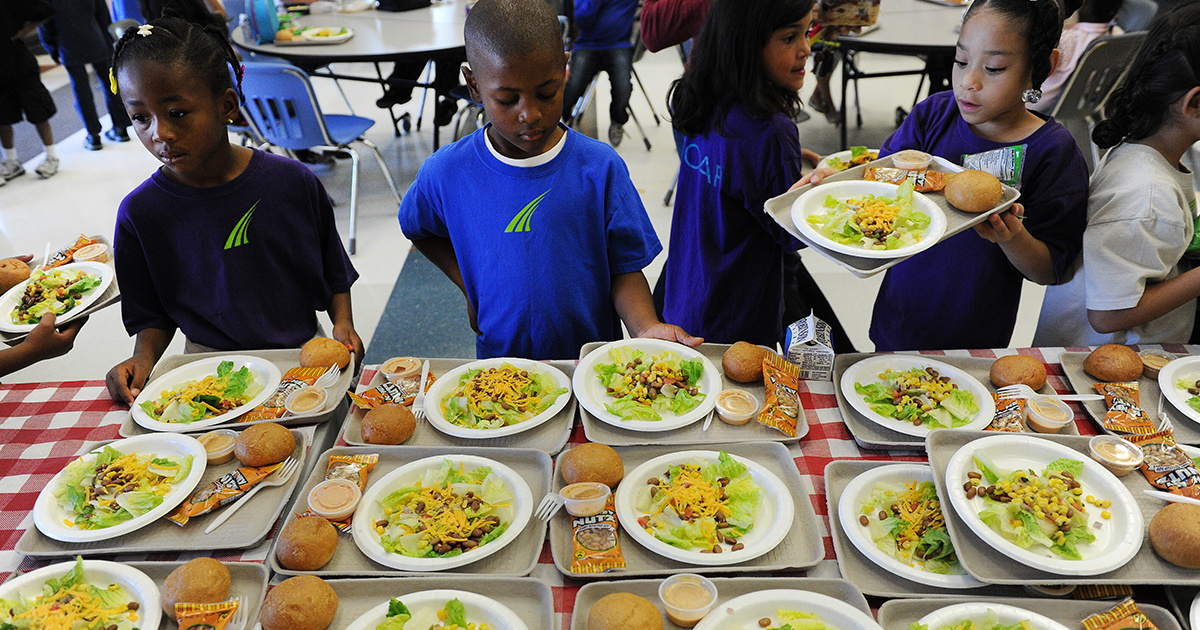
"Worked with the kitchen and Mr. Patel on a 4-week trial. Aarushi made the posters. Week 4: 38% less plate waste than the same week last term."
One term in.
From a 45-minute live session in Costa Rica, to a Tuesday audit, to a four-week campaign, to a measured outcome. This is what every Planet School module does.
Two dashboards, one chain.
Aarushi logs her audit. Sarah sees the school's Scope 3 food line shift. Same data. Different views. A continuous loop.
Aarushi logs her meat-free Tuesday lunch. Sarah's Scope 3 food line shifts. The CAP auto-updates. Governors see it next Monday.
Green Valley ranks #12 of 847 Planet Schools worldwide.
Every school's actions feed a global climate intelligence network. Best practices spread. Benchmarks emerge. Schools learn from each other.
Eight live sessions. One platform. Year-round.
Plug-and-play for teachers. Designed for ages 10+. Primary or secondary.
Eight live, interactive global sessions
Scheduled dates throughout the year. Live with practitioners and communities.
Self-paced digital learning content
Class library, anytime access. Catch up, revisit, extend.
Personalised school dashboard
Track climate action and impact across every class and module.
AI-driven insights & action pathways
Tailored to each school. Ranked by potential impact, cost, and feasibility.
Student-led project guidance
Audit protocols and action templates. Plug-and-play for teachers.
Lesson plans & teaching resources
Curriculum-aligned, ready to use. Primary or secondary.
Aggregated impact reporting
Auto-prepares CAP and funding evidence for measurable outcomes.
Network benchmarking
Compare with peer institutions worldwide. Learn from best practices.
Annual subscription, per school, per section (Primary or Secondary), per location. Multi-campus institutions licensed per location.
Bring one of our trips to your classroom.
No setup. No software install. Just a date and an internet-enabled classroom. Sessions run live with optional recording for absent students.