Columbia Climate School × Globe From Home at the Learning Planet Festival 2026.
In January 2026, Globe From Home partnered with Columbia Climate School to deliver a powerful global session at the Learning Planet Festival, bringing together participants from around the world to explore what it truly means to live the Sustainable Development Goals (SDGs).
In January 2026, Globe From Home partnered with Columbia Climate School to deliver a powerful global session at the Learning Planet Festival, bringing together participants from around the world to explore what it truly means to live the Sustainable Development Goals (SDGs).
Titled “Living the SDGs in Kibera and Bhopal,” the session moved beyond theory and policy, taking learners directly into communities where global challenges are experienced daily, and where resilience and innovation are shaping new possibilities. Moderated by Radhika Iyengar, Director of Education at Columbia Climate School, and Rajeev Rajam, CEO of Globe From Home, the session connected participants to real people, places, and stories across two continents.
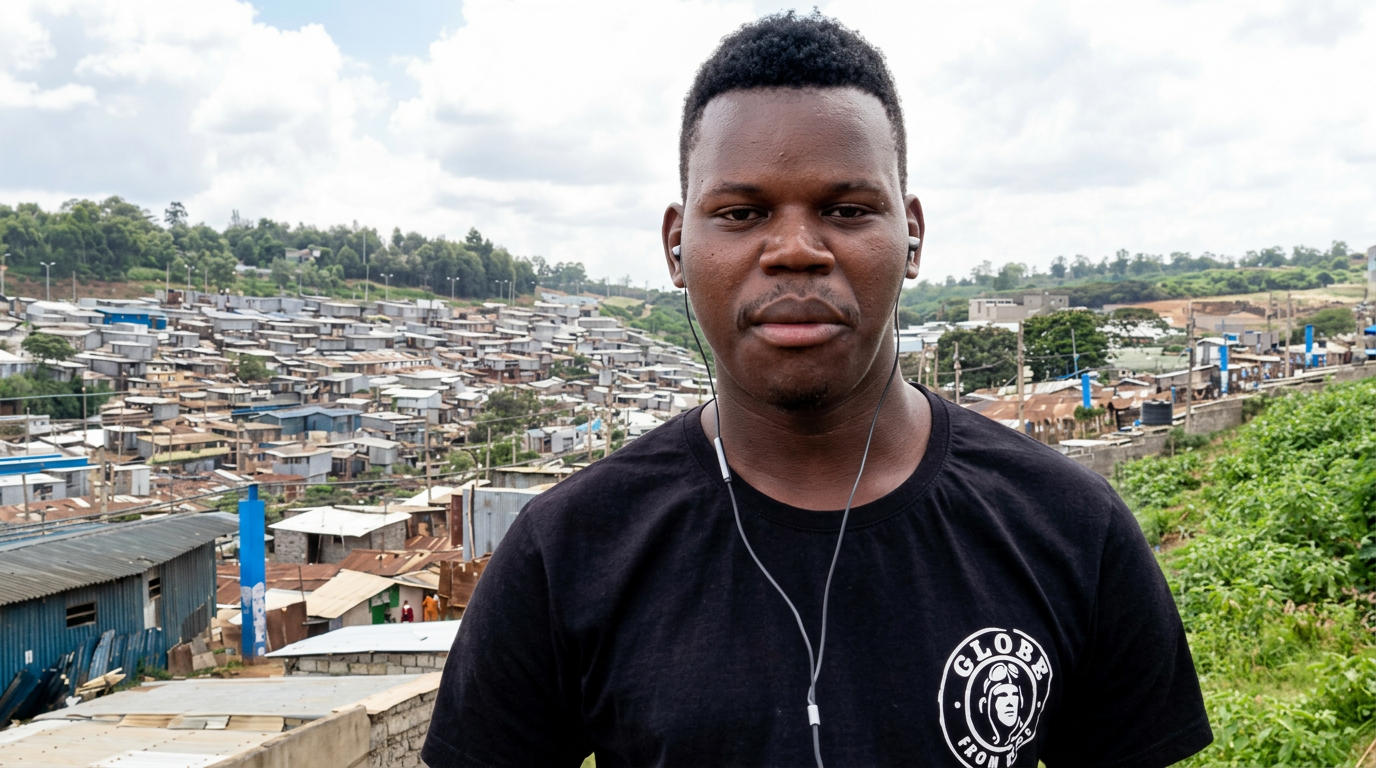
The journey began in Kibera, Nairobi, widely recognised as one of Africa’s largest informal settlements, home to an estimated 250,000 people. Guided by Globe From Home presenter Luke, who grew up in Kibera, participants were taken on a live, immersive walk through the community. This was not a distant overview, but a first-hand experience of daily life. Learners moved through narrow pathways, observed the realities of informal housing and infrastructure, and gained insight into the challenges of access to basic services. At the same time, they witnessed the strength of community networks and local economies that sustain everyday life.
What emerged most powerfully was not just the scale of the challenges, but the resilience within the community. Participants saw how people organise, adapt, and support one another, offering a more nuanced understanding of development that goes far beyond statistics and headlines.
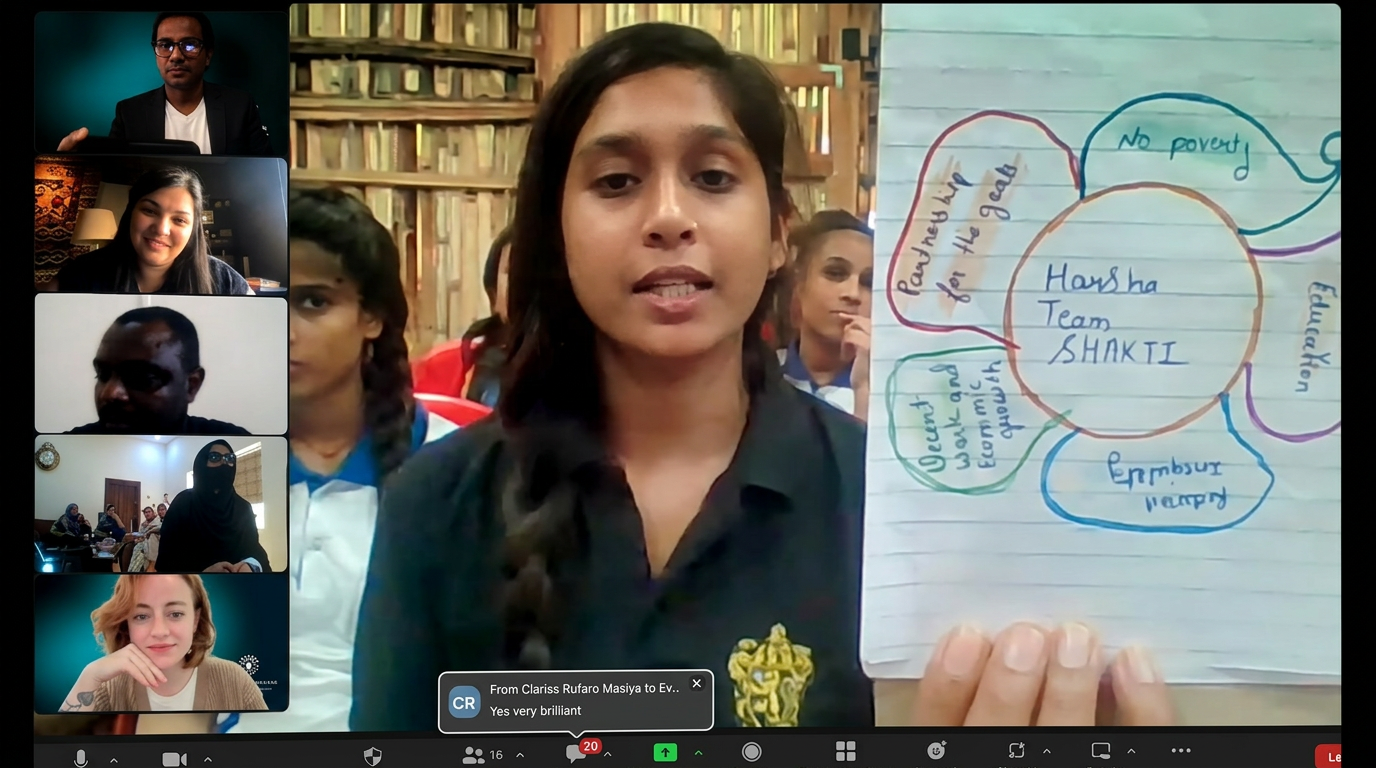
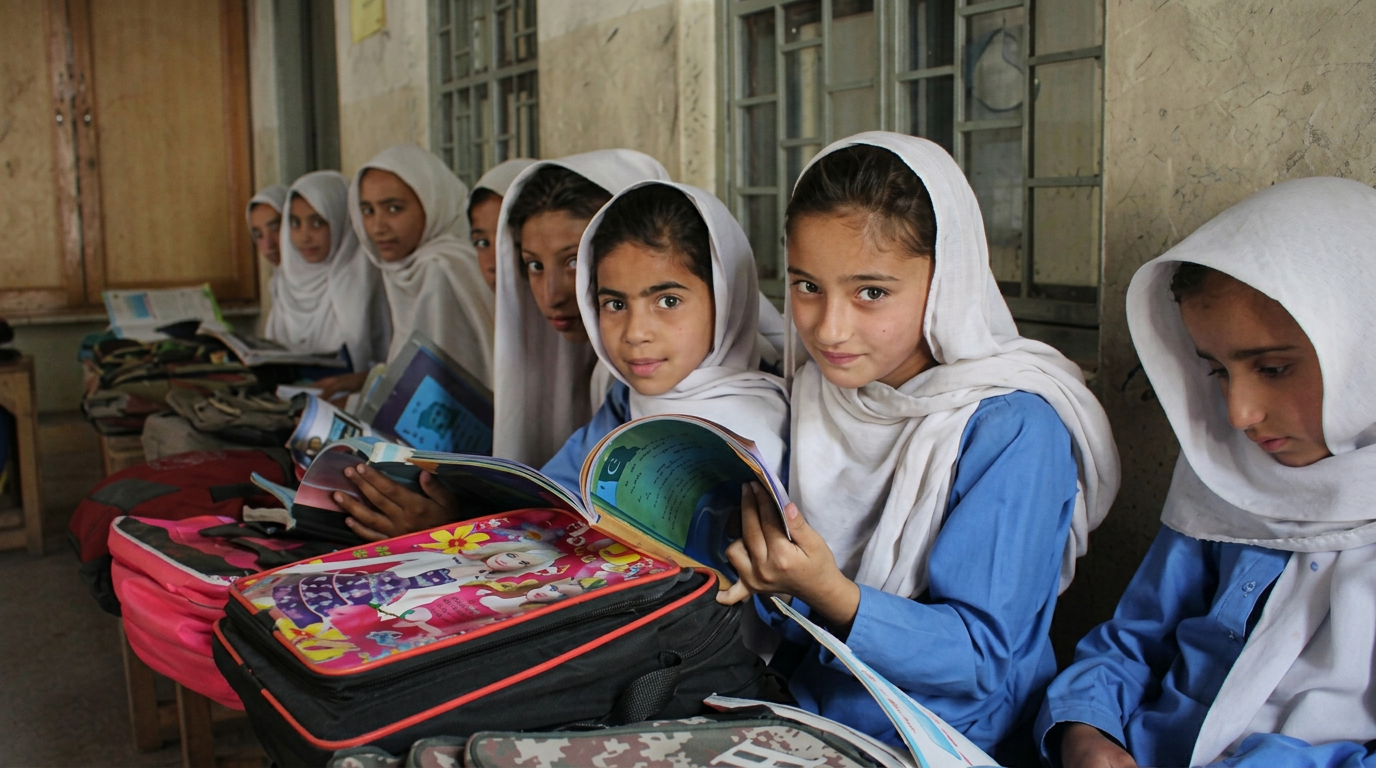
The session then moved to Bhopal in India, a city shaped by one of the world’s worst industrial disasters. The 1984 Bhopal gas tragedy claimed thousands of lives and continues to impact generations. Here, learners were introduced to the work of Mahashakti Kendra, a grassroots organisation supporting women through skills development, education, and the creation of safe community spaces.
Participants met women whose lives have been shaped by both historical tragedy and ongoing socio-economic challenges. Yet the dominant narrative was not one of loss, but of strength and transformation. Through the work of organisations like Mahashakti Kendra, education becomes a pathway to dignity, a means of economic independence, and a foundation for building sustainable lives.
Across both locations, the session brought the SDGs to life in a way that textbooks cannot. Participants began to understand that global challenges are deeply interconnected, that local realities are shaped by global systems, and that meaningful solutions often emerge from within communities themselves. There was a clear shift from viewing the SDGs as abstract global targets to recognising them as lived, human realities.
This session exemplifies Globe From Home’s approach to learning: connecting participants directly to real-world contexts, amplifying local voices, and building both empathy and systems thinking. By bridging Kibera and Bhopal in a single experience, learners were able to see patterns across geographies while appreciating the diversity of lived experiences.
As climate change, inequality, and development challenges continue to shape our world, the need for experiential, globally connected learning has never been greater. Sessions like this do more than inform; they transform how learners understand the world and their role within it.