Extreme Heat and the Future of Learning: Building a global network of heat-resilient schools
As rising temperatures disrupt education globally, Globe From Home is building systems to help schools monitor, adapt, and respond to extreme heat in real time.
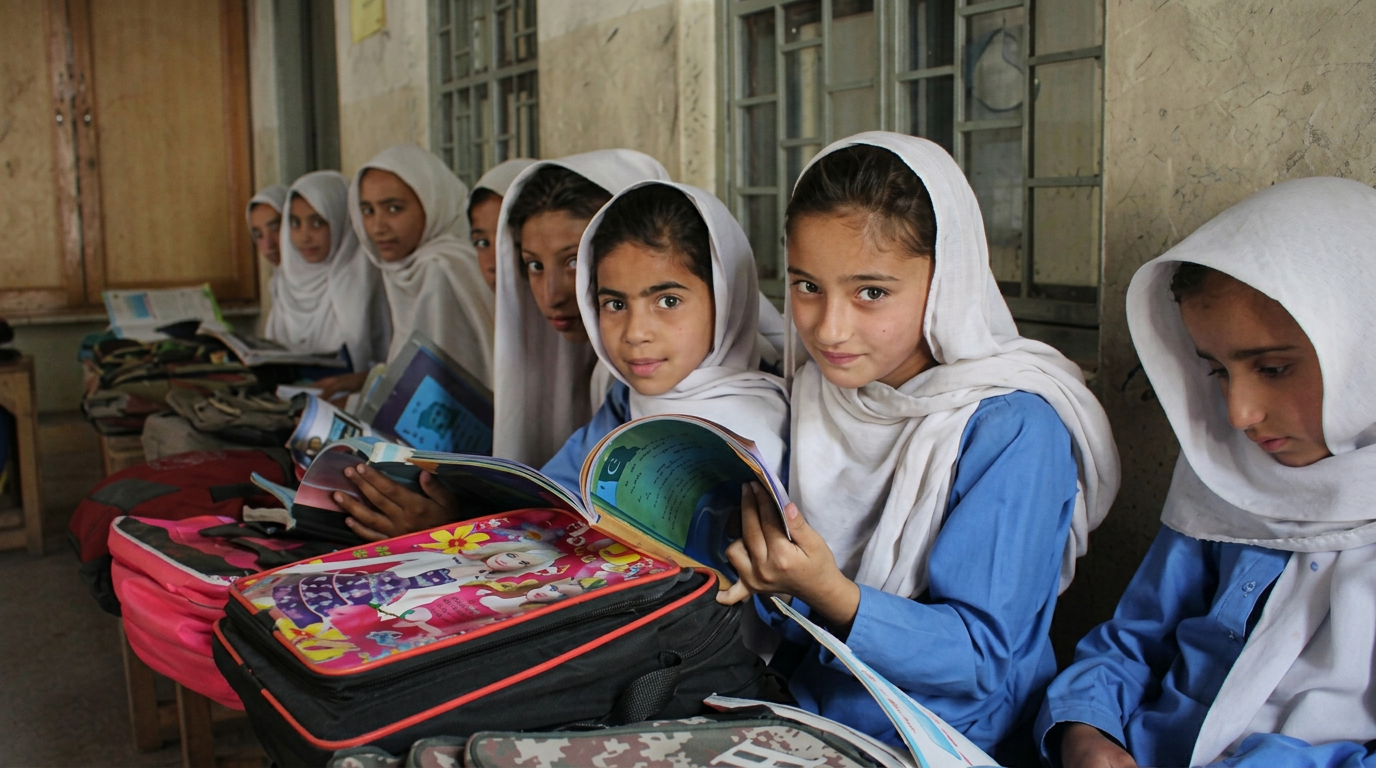
Extreme heat is rapidly emerging as one of the most significant threats to education worldwide. According to estimates from organisations such as UNICEF, more than 172 million children are pushed out of classrooms every year due to extreme heat. As temperatures rise, schools across the world are becoming increasingly unfit for learning — affecting concentration, attendance, health, and long-term outcomes.
Despite the scale of the challenge, most education systems are not designed to understand or respond to heat as a systemic risk.
In response, Globe From Home has developed the world's first Heat Resilient Schools platform — a connected system designed to help schools understand, manage, and adapt to heat in real time.
At its core, the platform is built on a simple but powerful idea: combining learning with real-time intelligence to enable action. It is designed not as a static tool, but as a dynamic system that supports continuous monitoring, decision-making, and improvement.
The platform begins with heat literacy. Understanding heat is the first step to managing it. Through structured, source-based learning modules, schools build foundational knowledge of extreme heat, its impacts, and practical resilience strategies. Drawing on global best practices and real-world case studies, educators and students learn not just the theory, but what works in different contexts — and how to apply those insights locally.
This learning layer is integrated with an intelligence system that transforms schools into live monitoring environments. By combining sensor data, environmental inputs, and intelligent analysis, schools receive real-time alerts, risk scores, and prioritised actions. This is not passive data collection, but embedded decision intelligence — enabling schools to respond immediately and effectively to changing conditions.
As more schools join the system, a third layer emerges: networked heat intelligence. Each school becomes part of a global network, contributing data on conditions, responses, and outcomes. Over time, this creates a shared intelligence layer that identifies patterns, highlights effective interventions, and enables benchmarking across regions. Schools are no longer operating in isolation, but as part of a connected global system learning and improving together.
Through this approach, Globe From Home is building a global network of heat-resilient schools — equipped with heat-literate staff, access to global best practices, and real-time intelligence shared across the network. The goal is not only to respond to heat, but to transform how schools understand and manage environmental risk.
As climate change accelerates, the question is no longer whether schools will be affected by extreme heat, but whether they are prepared. This platform represents a shift from awareness to action — ensuring that schools can continue to function, adapt, and protect learning in a warming world.
For more detail about Globe From Home's Heat Resilient Schools program, see our Applications page.